Why I Collect
Life Through Another Persons Lens
Throughout my life, I’ve often wondered why, as human beings, we can find it so difficult to understand one another.
We experience the same world, yet we see it completely differently. We become attached to our own perspective, our own experiences and our own version of what is true. Sometimes, in doing so, we lose a little of our connection with each other.
As I’ve grown older, I’ve become increasingly fascinated by what happens when you try to see life through somebody else’s lens.
I’ve always been an emotional person. Perhaps even something of a tortured soul at times. And I think that’s partly why I’ve been drawn to people who take what they’re feeling, love, anger, hope, loneliness, rebellion, joy or pain, and turn it into something incredibly creative.
Art can say what words sometimes cannot.
Because there are things we feel as human beings that we’re simply not very good at putting into words.
A painting. A piece of music. A song. Dance. A few marks on a canvas that, to one person, may mean absolutely nothing and, to another, can stop them in their tracks.
That’s what I find extraordinary.
And perhaps that’s why I connect so strongly with contemporary art.
Life is extraordinarily beautiful when it’s simply allowed to express itself.
Without somebody else’s narrative telling us what we should see. Without rhetoric telling us what we should believe. Without anyone trying to dictate what we should or shouldn’t feel.
Just expression in its purest form.
One human being saying:
“This is how the world looked to me in this moment.”
And another being given the freedom to look at it and decide for themselves what it means.
It’s often the imperfection that tells us something.
When I look across the different movements in art, from the Renaissance through Pop Art, abstraction and today’s street and contemporary movements, what fascinates me isn’t simply the pursuit of perfection.
Quite often, it’s the imperfection that tells us something.
It’s the moment.
The emotion. The rebellion. The vulnerability. The message.
The thing the artist needed to say.
And for a brief moment, we’re allowed to experience life through their eyes.
Perhaps that’s the real beauty of art. It doesn’t demand that we agree with what we see. It simply gives us the opportunity to experience another person’s perspective.
The freedom to see through somebody else’s eyes without surrendering our own.
““The freedom to see through somebody else’s eyes without surrendering our own.””
What I’ve always looked for
That’s what I’ve always looked for in my collection.
I’ve never wanted to own something simply because somebody told me it was important, fashionable or valuable.
I’ve collected pieces because they made me feel something.
Some have challenged me. Some have made me smile. Others have made me stop and think, or allowed me to see something from a perspective I might never otherwise have considered.
For me, that connection has always mattered more than the name on the canvas or the value somebody else places upon it.
What art has given me
And maybe that’s ultimately what art has given me: balance.
It has reminded me that my way of seeing the world is only one way of seeing it.
Someone else can look at exactly the same thing and experience something entirely different. Neither experience necessarily needs to defeat the other.
Perhaps they can simply exist alongside one another.
And through that difference, rather than division, we might just understand a little more about each other, and perhaps a little more about ourselves.
What it all comes back to
Beneath all the noise, opinions and labels we surround ourselves with, we’re still human beings trying to make sense of this extraordinary experience we’re sharing.
And sometimes art gives us something that words struggle to provide.
A moment to stop. To feel. To question. To connect.
It doesn’t ask us to agree. It simply invites us to look.
And perhaps, by seeing life through another person’s lens, we discover something not only about them, but about ourselves.
Maybe that’s where understanding begins.
-
![Romeo, Romeo]()
ARRON CRASCALL - ORIGINAL WORKS
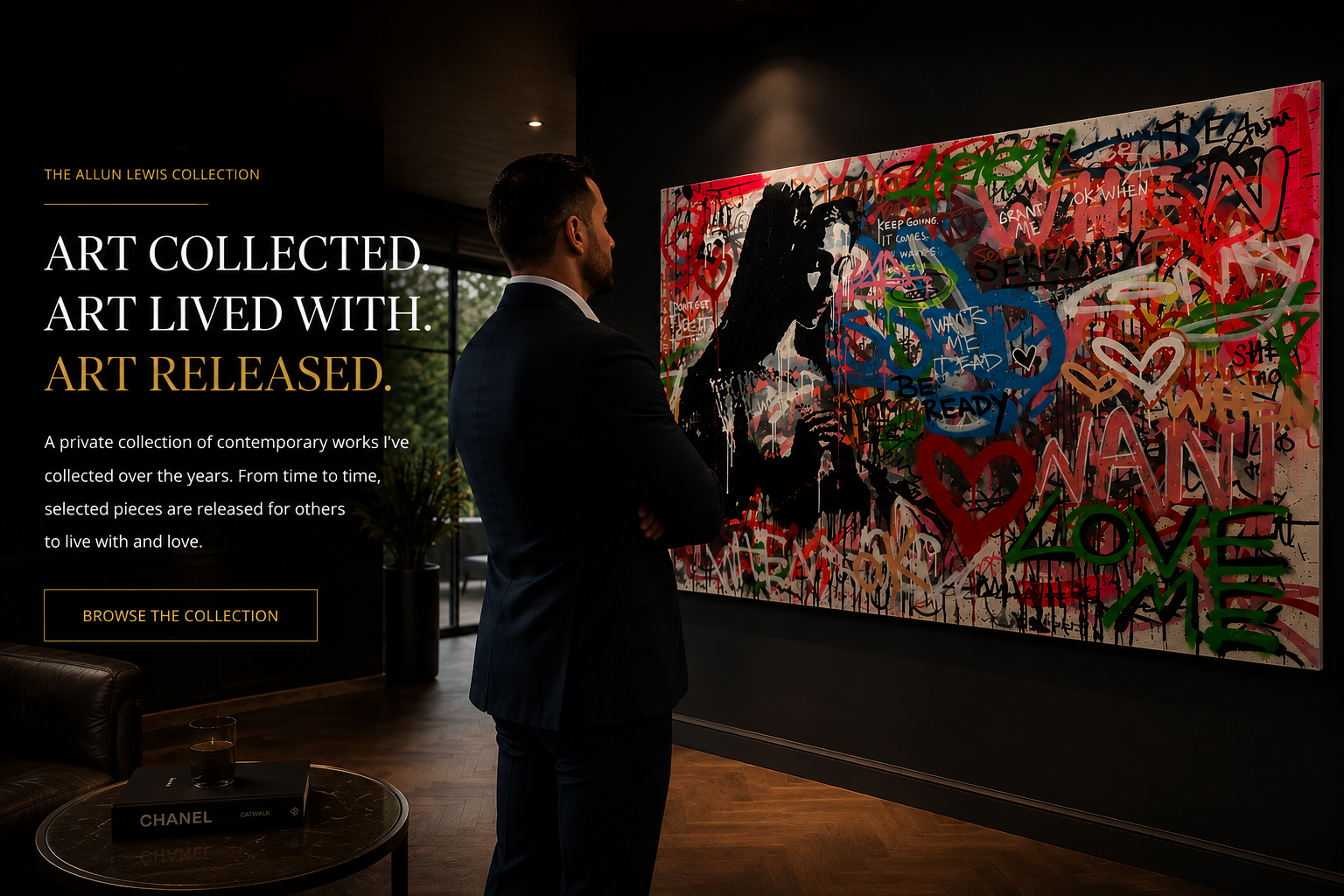
Bold, energetic and unapologetically expressive. A collection of original works where street art, popular culture and raw emotion collide.
-
![]()
MAGNUS GJOEN - Original Works & Editions
Classical beauty meets contemporary provocation, exploring the relationship between fragility, power and mortality.
-
![]()
HARRY BUNCE - ORIGINAL WORKS
Playful, provocative and unmistakably British. A collection of original works where familiar characters, dark humour and social commentary collide.
-
![]()
MAGPIE ART - Original
Bold, playful and unmistakably contemporary. Magpie Art reimagines familiar cultural imagery through street art, colour and modern storytelling — creating pieces that feel both recognisable and completely new.
-
![]()
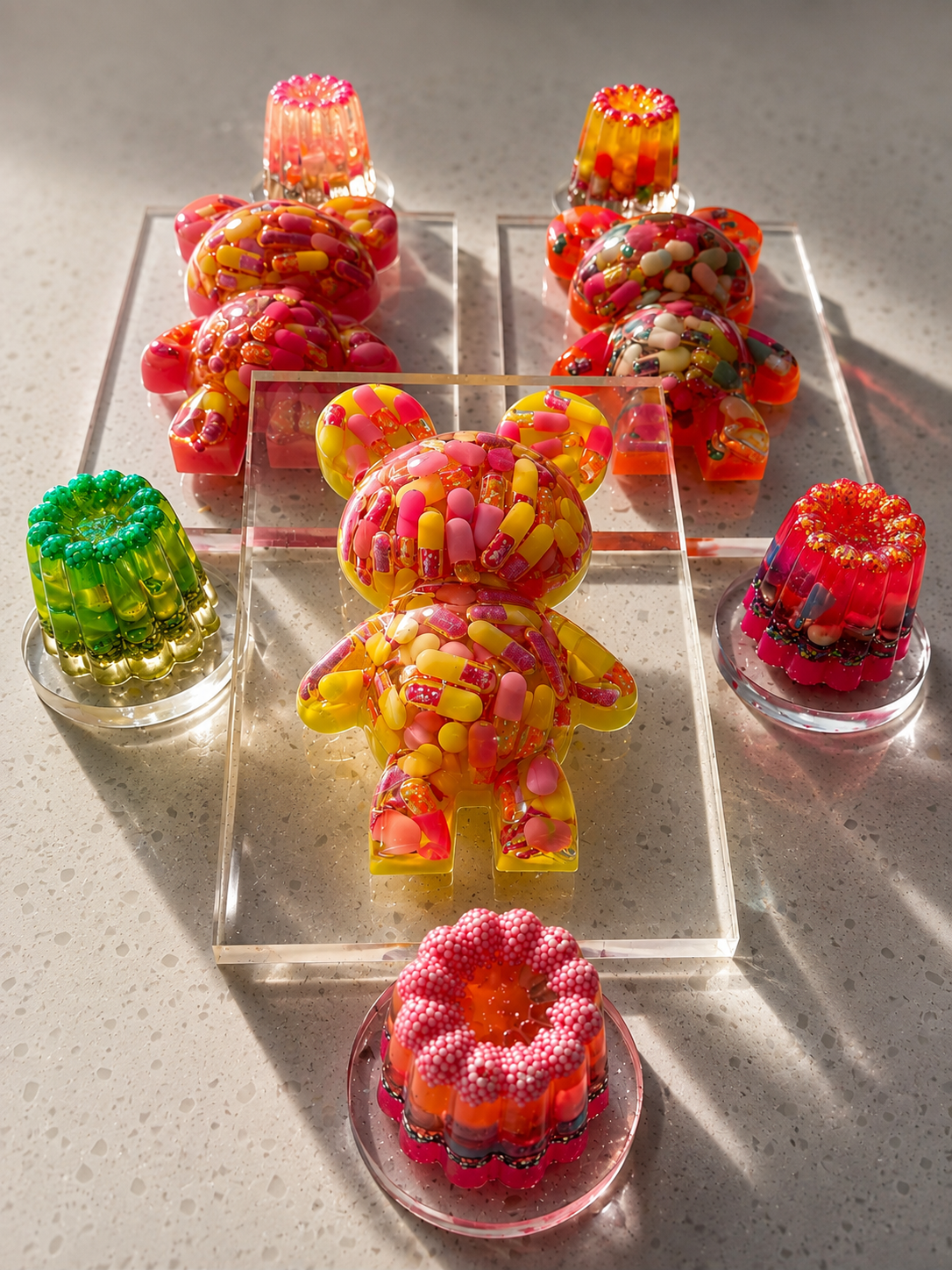
EMMA GIBBONS -Contemporary Art · Resin · Pop Culture
Playful, colourful and wonderfully unexpected. Emma Gibbons transforms familiar objects and everyday references into vibrant contemporary works filled with nostalgia, humour and personality.
-
![]()
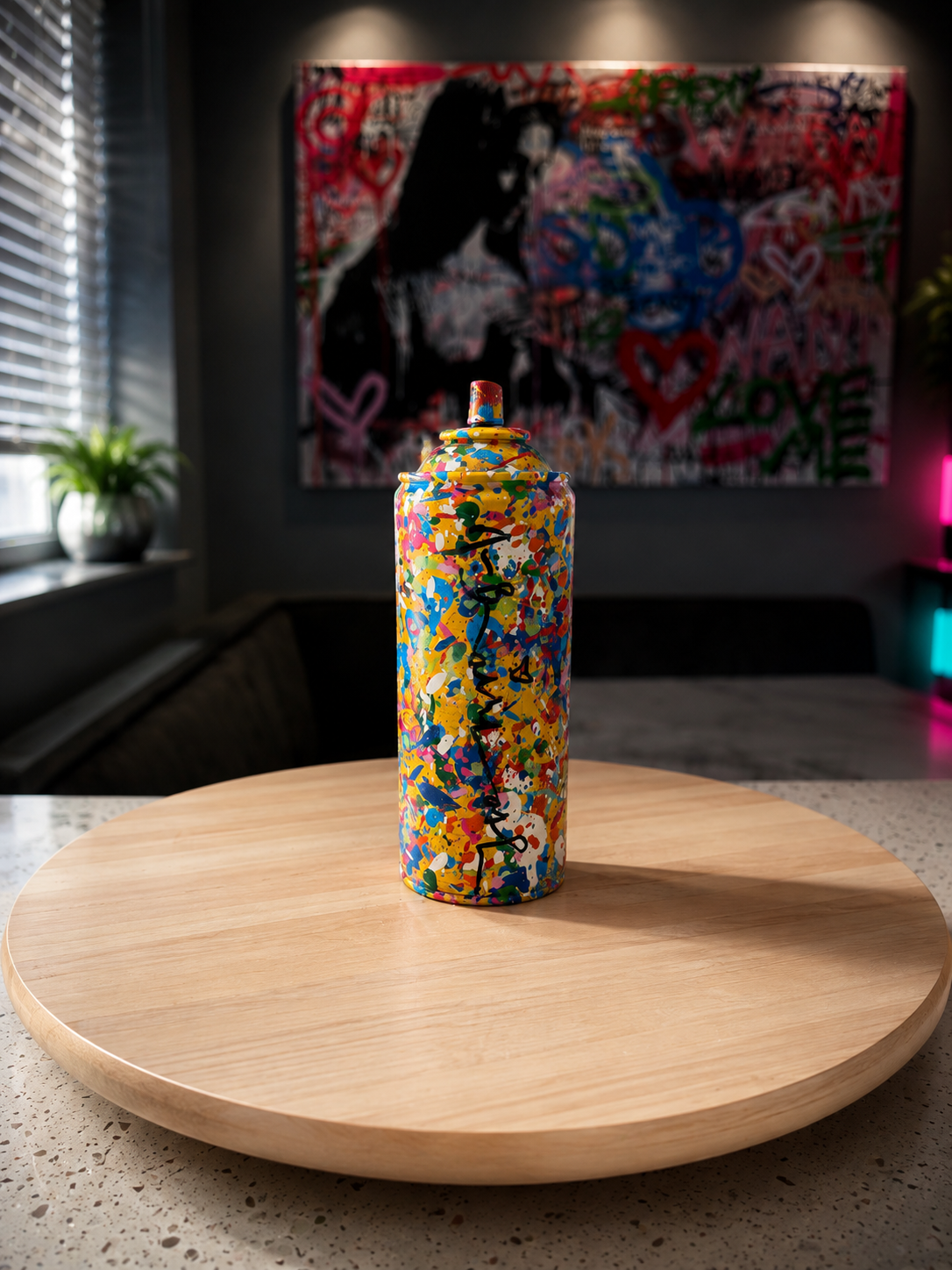
MR BRAINWASH - Pop culture. Rebellion. Optimism.
Blurring the worlds of street art, pop art and popular culture, Mr Brainwash creates work bursting with colour, energy and positivity. This sculptural spray can captures that spirit perfectly, turning one of street art’s most recognisable tools into the artwork itself.
-
![]()
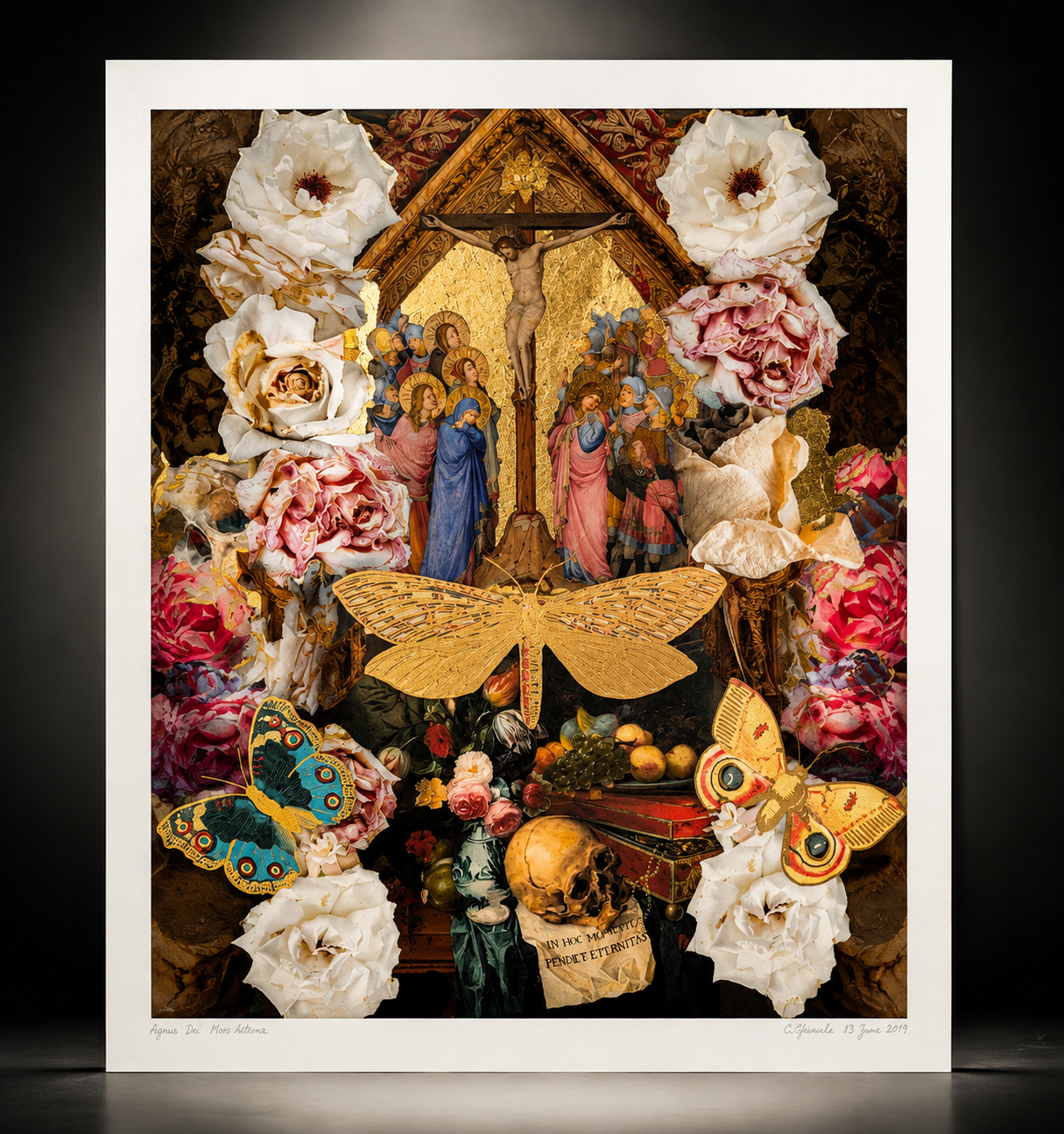
Christine Nimenko — Contemporary Mixed Media Artist
Intricate, symbolic and beautifully layered. Ghinulo brings together classical imagery, nature and contemporary collage to create richly detailed works exploring beauty, mortality and the human experience.
-
![]()
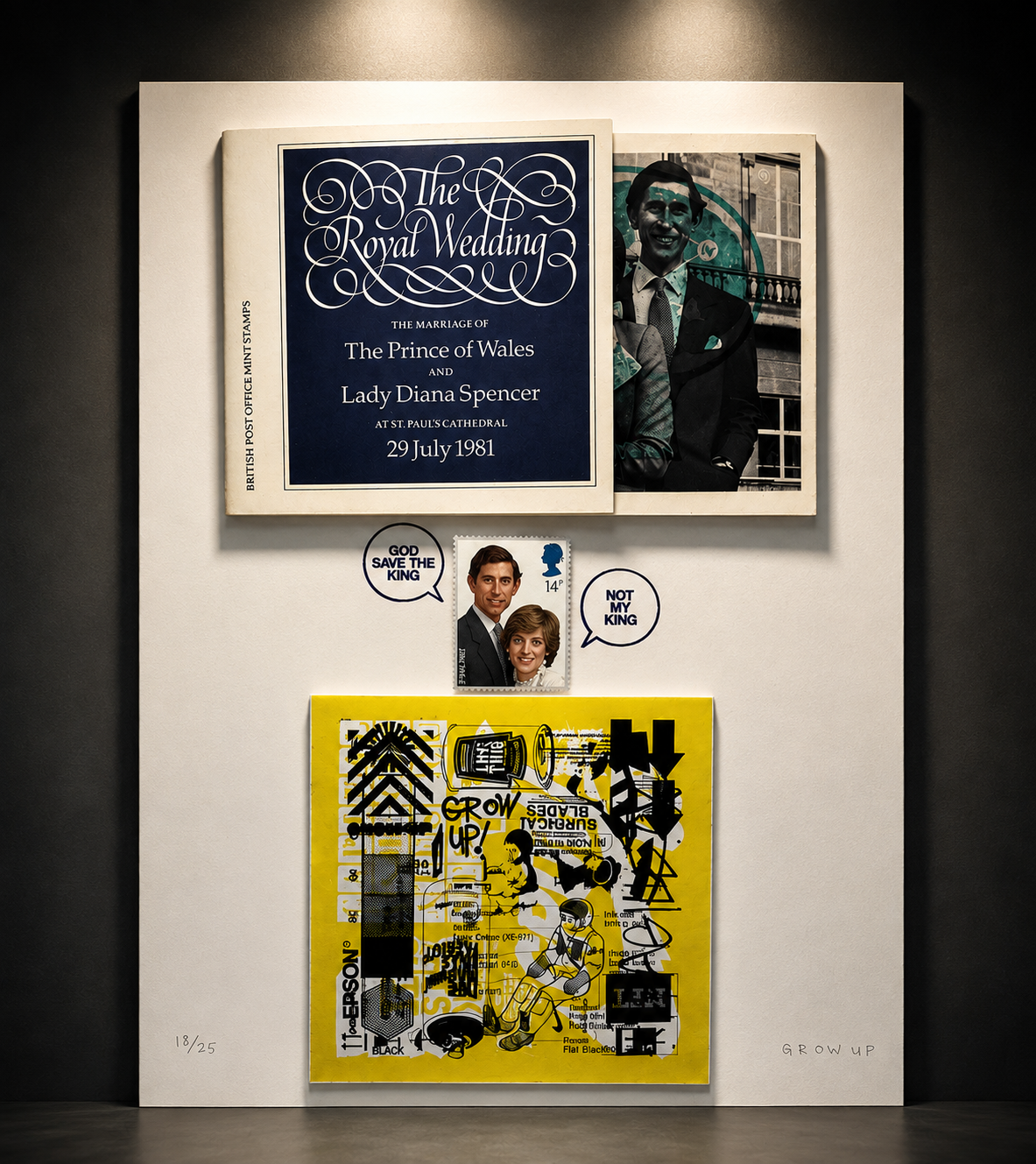
GROW UP - British Contemporary & Street Artist
Sharp, provocative and unmistakably British, GROW UP combines cultural icons, vintage ephemera and street-art influences to create works filled with wit and social commentary. This limited-edition piece from my collection plays with monarchy, nostalgia and rebellion in classic GROW UP style.
-
![]()
KRISTJANA S WILLIAMS - Contemporary Icelandic Artist
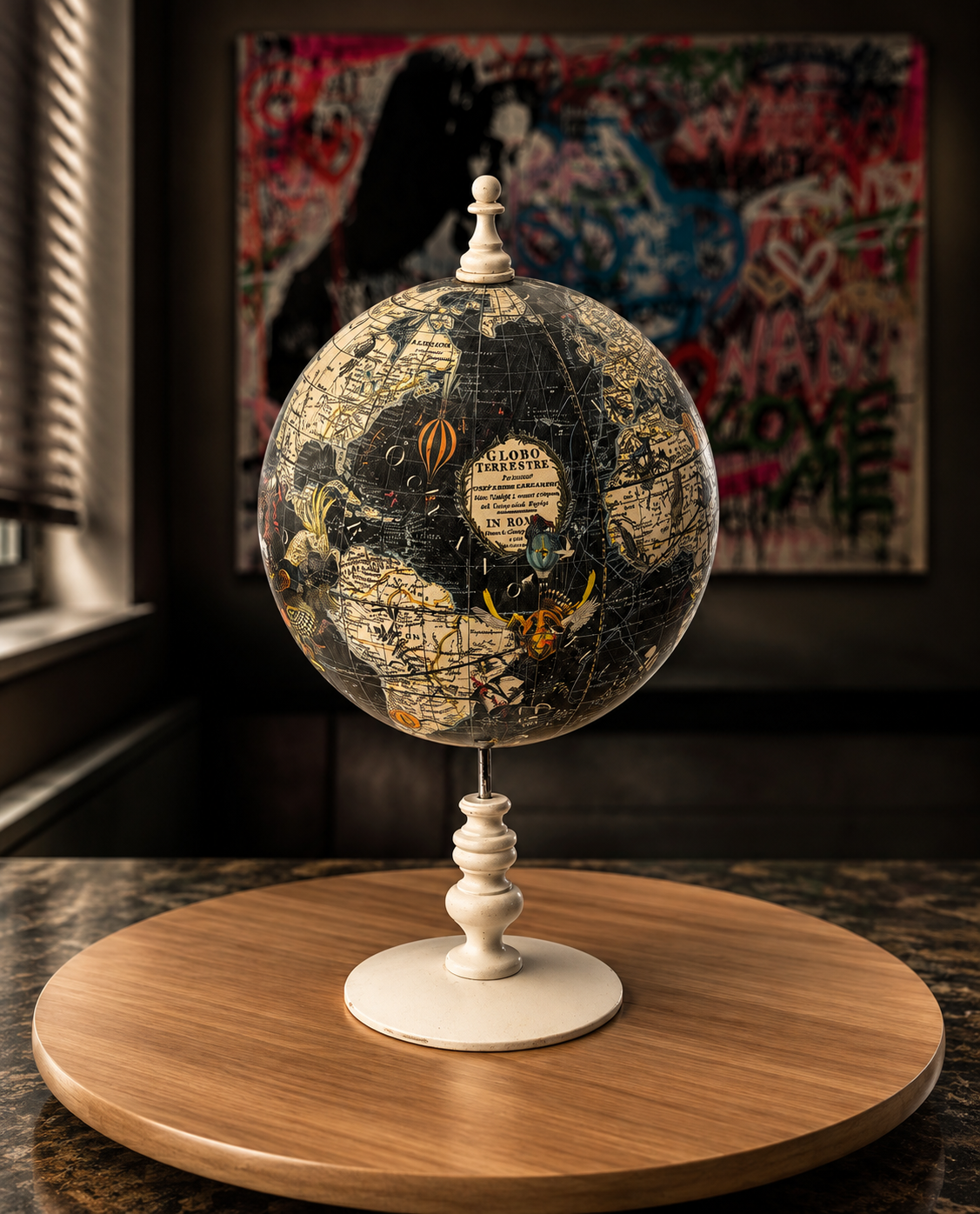
Intricate, fantastical and bursting with life. Kristjana S Williams combines antique cartography, natural history and contemporary collage to create extraordinary worlds where flora, fauna and imagination collide.
From richly layered artworks to sculptural globes, her work transforms the familiar into something wonderfully unexpected.
-
![]()
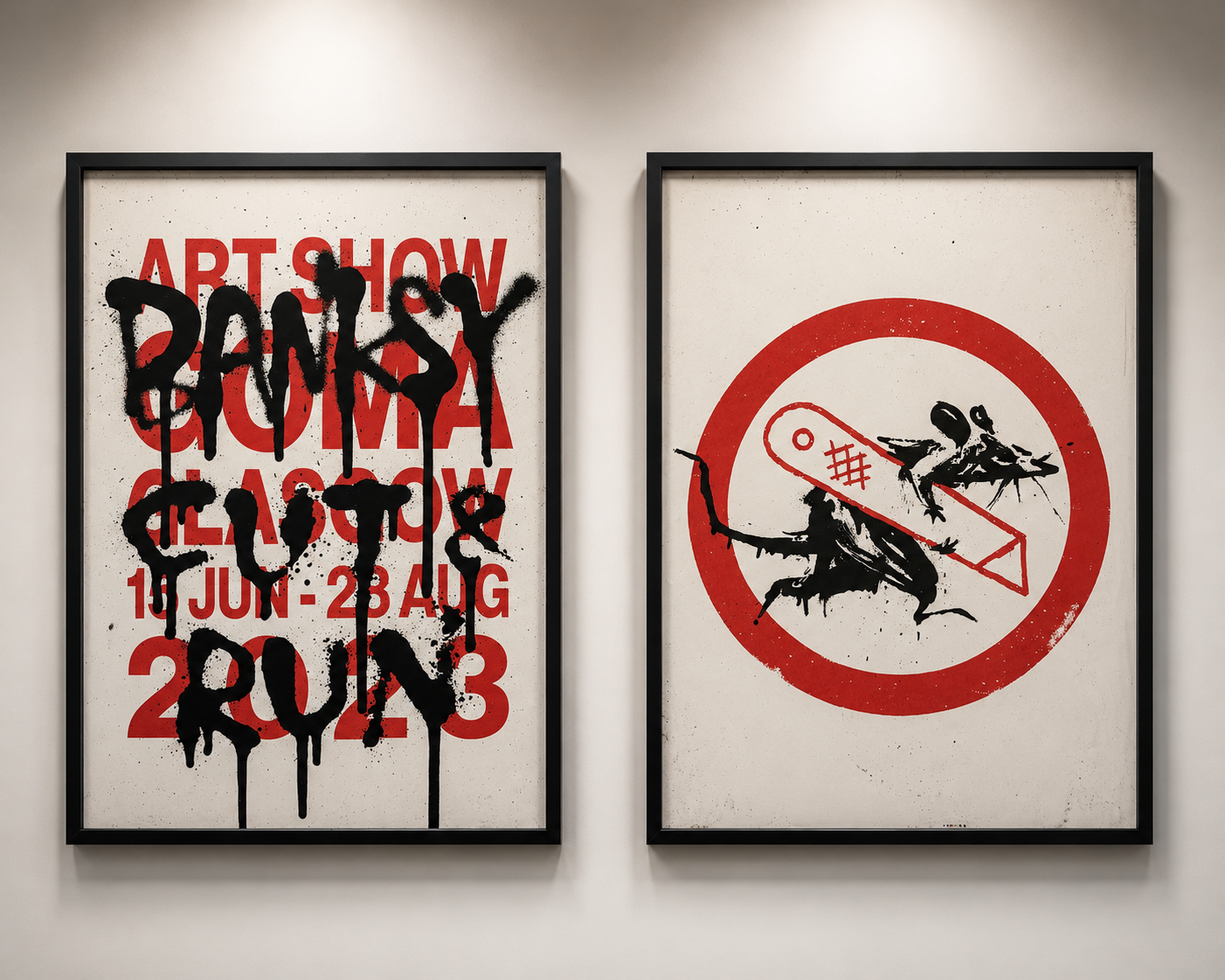
BANKSY - British Street Artist
Provocative, subversive and instantly recognisable. Banksy transformed street art into a global cultural phenomenon, using dark humour and striking imagery to challenge authority, politics and society.
This collection includes original memorabilia from his landmark CUT & RUN exhibition in Glasgow, offering a tangible connection to one of contemporary art’s most elusive figures.